What Gear Do I Use for Microfishing?
People ask about microfishing gear more than anything else, usually because they assume it’s complicated. It isn’t. In fact, the easiest way to get microfishing wrong is to overthink it.
Microfishing works because the gear gets out of the way. When everything is small, light, and simple, you start noticing things you’d otherwise ignore — tiny fish holding in inches of water, subtle takes, species you didn’t even know lived there. The equipment exists to let you see that, not dominate it.
This is the gear I actually use when I go microfishing, and why.
The Rod: Light, Simple, and Portable
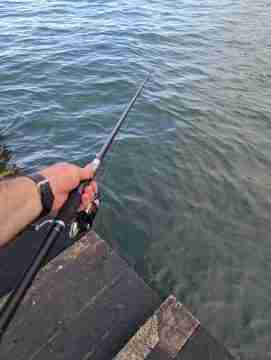
I use a telescopic rod almost every time I’m microfishing. Not because it’s trendy or specialized for the sake of it, but because it solves real problems.
Most microfishing happens in places that aren’t convenient: roadside ditches, culverts, narrow creeks, retention ponds behind stores. A rod that collapses and fits in a backpack or the trunk of your car means you fish more often. That matters more than brand names or materials.
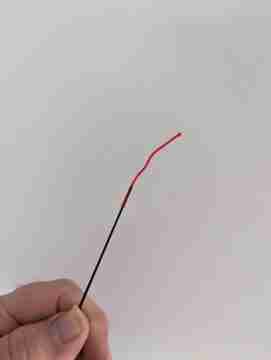
The telescopic rod I use from Art of Micro Fishing is light enough to register fish that barely weigh anything, but forgiving enough not to tear a tiny hook free. It’s not about power. It’s about feel and reach.
If a rod collapses easily, balances well, and doesn’t feel tip-heavy when extended, it’s doing its job.
Line and Leaders: Thin Wins Every Time
Microfishing punishes thick line. Small fish are cautious, and heavy line kills presentation faster than almost anything else.
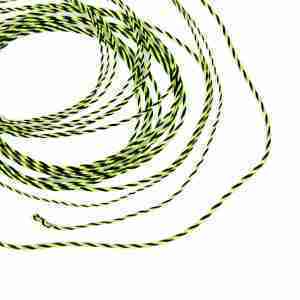
I use very light mono or fluorocarbon leaders, often lighter than people expect. The goal isn’t strength — it’s invisibility and natural movement.
Pre-tied leaders make a big difference here. They keep you fishing instead of tying knots you can barely see, especially when your fingers are cold or wet. Break-offs happen. That’s part of fishing tiny hooks in tight water. Carry spares and don’t worry about it.
Hooks: Smaller Than You Think
Hooks are the heart of microfishing, and they’re where most beginners go wrong.
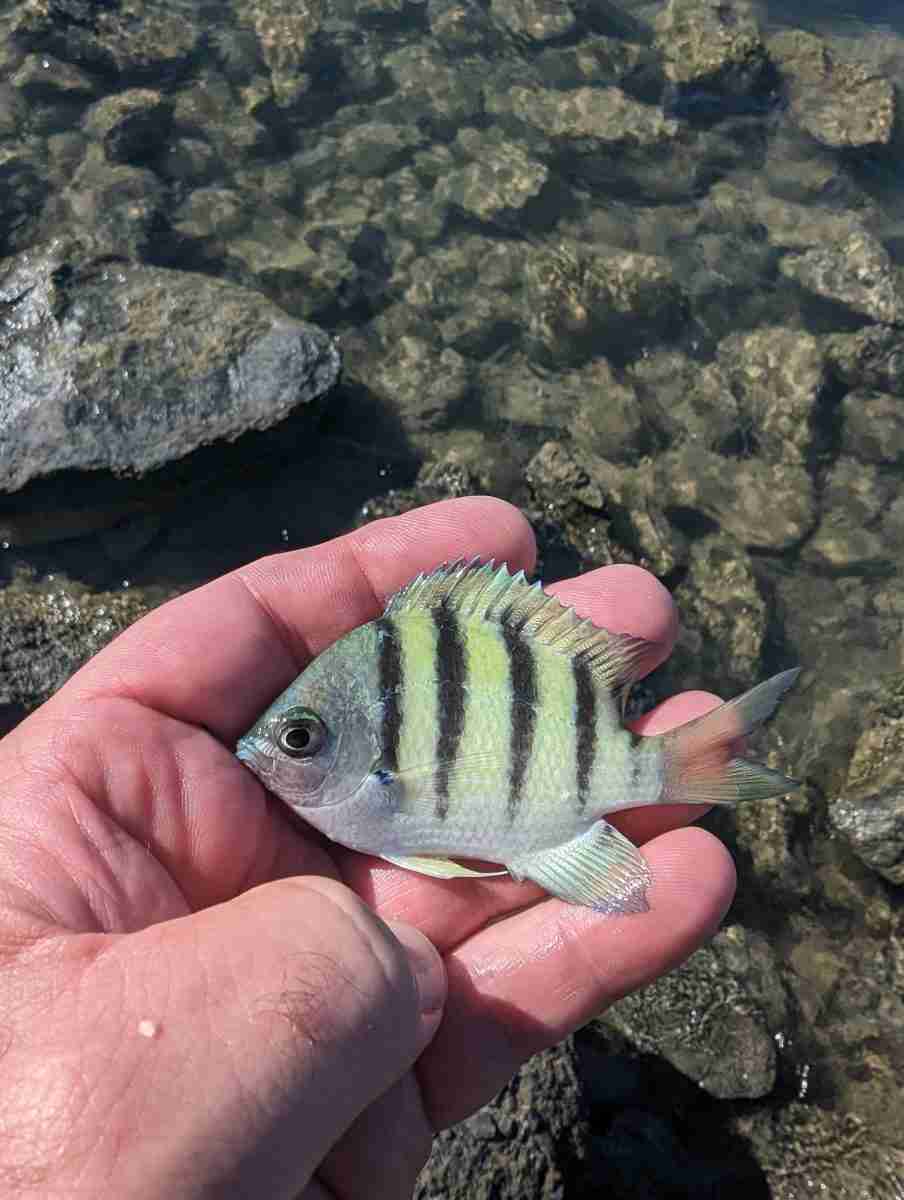
Most people start with hooks that are too big. That hesitation is understandable — tiny hooks feel wrong until you look closely at how small a microfish’s mouth actually is.
I regularly use the Art of Micro Fishing 1-2-3 Micro Hooks because they cover the range I encounter most often. When I want a single, dependable size that works across species, I reach for the Number 1 Micro Hook. They’re small, sharp, and consistent, which matters more than fancy shapes or bends.
If a hook looks almost comically small, it’s probably the right size.
Floats: Optional, but Useful
I fish both with and without floats. When I use one, it’s small enough that it barely keeps the hook suspended.
The micro floats from Art of Micro Fishing are designed for this exact purpose — they show hesitation, not drama. A micro float isn’t there to announce a strike. It’s there to show a pause, a sideways drift, something subtle that shouldn’t be happening.
If a float dominates the rig visually, it’s too much. Microfishing is about restraint.
Weights and Balance
Most of the time, I add the smallest amount of weight possible — just enough to control drift or keep the bait in the strike zone.
Tungsten putty works well because it can be shaped and adjusted without damaging light line. If the bait sinks too fast, fish ignore it. If it drifts too freely, you lose control. Balance matters more than depth.
Bait: Match the Scale
Microfishing bait should look like something that already belongs there.
Tiny pieces of worm, larvae, bread, or naturally occurring insects outperform oversized bait every time. If the bait hides the hook completely, it’s too much. If the hook is clearly visible, it’s too little.
Microfishing rewards precision more than abundance.
How I Rig It
My standard setup for most ponds and creeks is simple:
A telescopic rod, a light leader, one of the 1-2-3 Micro Hooks or the Number 1 Micro Hook, and a micro float if conditions call for it. I adjust weight sparingly and fish short, deliberate drifts near structure.
This is exactly why the Complete Micro Fishing Kit exists. It removes guesswork and puts all of those components together in one place — hooks, floats, leaders, and essentials — so you can spend your time fishing instead of assembling a system from scratch. We ship, which matters if you’re trying to get started without chasing down specialty items.
What This Gear Allows You to Do
This setup isn’t about efficiency or catch numbers. It’s about access.
It lets you fish places other anglers ignore. It lets you notice species that never show up in state fishing reports. It slows fishing down in a way that makes it feel new again, even if you’ve been doing it your whole life.
Microfishing gear doesn’t make the experience interesting. It gets out of the way so the experience can be.
Final Thought
If you’re waiting for the perfect setup before you start microfishing, you’re waiting too long. A light rod, thin line, a properly sized micro hook, and curiosity will take you farther than a pile of specialized gear ever will.
That’s the point.